


- December 4, 2017
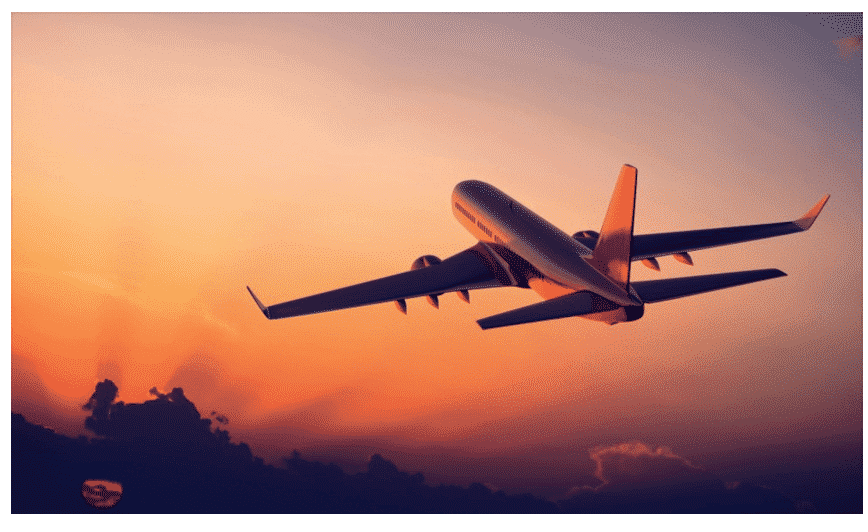
Frequently Asked Questions Regarding Flying & Dental Conditions
December 2017 By: Skygate Dental There are several issues flyers may come across with regard to their teeth. A toothache from flying is known as Barodontalgia (click here to read more about how air pressure can affect teeth). However, this is usually a risk for those who are flying in unpressurised aircraft. In most cases, recent dental work (cleans, fillings) generally poses little risk; however, medications, certain surgical cases, active lesions, abscesses, and potential unfinished root canal treatment may pose issues. Let’s look below for more information. Out of a study of 11,617 personnel, 30 (0.26%) complained of a toothache at the simulated height of 43,000 feet.Can I Fly After a Recent Root Canal?
If you are wondering if it is safe to fly after a root canal, you can rest easy. We recommend waiting 5-7 days to ensure there is no post-op pain or issues. After your root canal is complete you are generally fit to fly. However, this recommendation is for pressurised cabins only. There has been some suggestion that between root canal visits flying may pose an issue if the temporary filling is dislodged, or if the tooth is open and unfilled there is a possibility of expansion of gas within the tooth. If the temporary has been well placed and is of ideal seal this is often of low concern; if it has been dislodged it is best to see your dentist as soon as possible.Can I Fly after a Recent Filling?
Recent fillings generally will be fine; however, if the filling is deep or very close to the nerve (regardless of flying this may pose issues; close and long-term follow-up is necessary).Can I Fly After A Wisdom Tooth Extraction or Getting Dental Implants?
In short, it is OK to fly after wisdom tooth extractions and dental implants as the cabin is pressurised, and changes in altitude will not cause further pain or bleeding. However, please consider some of the following tips and information to make the recovery as pleasant as possible. It would be ideal to have a least one to two days rest following any surgical procedure. Often times the whole ordeal can make people feel a bit out of sorts. Further, some of the painkillers used after the procedure can make you drowsy and sleepy. Thus caution is recommended, and it is best to discuss a recovery plan with your dentist. Generally, planes can be very dry, in some instances, this may interfere with the natural clotting ability of your body. Although a very low risk, this may cause some disturbance in healing.Do Dental Implants Set Off Metal Detectors?
Sometimes, patients will worry if dental implants will set off alarms at the airport. Dental Implants are made of Titanium or in some cases ceramic, non-magnetic materials, and therefore do not set off metal detectors.Can I fly After Oral Surgery?
There are a few cautions with recent oral surgery. One, generally the medication you may be taking might make you drowsy or unable to operate at peak efficiency. Thus caution is recommended, and it is best to discuss this with your dental practitioner. Further, if an upper tooth is extracted and communication is made between your mouth and the sinus this may cause issues and pain with pressure change. As well, it is generally dry on aeroplanes and in cases of recent oral surgery the blood clot may be affected.Can I Fly With an Oral Infection?
Thus, in most cases, it is safe to fly and grounding is often not necessary with the exception of active and acute infections; as well as medications, which may affect motor function skills. However, often cases only warrant caution and it is best to speak to your dental healthcare professional if there are any concerns.Should I take Dentures off on an Air Plane?
There is some evidence to suggest that traditionally cemented crowns may have reduced retention as there may be very small voids in the cement which may cause a decrease in retention with altitude change. Now, this is unlikely to cause great concern with flights and is more of a limited concern. Further, during long flights it can be dry, which may affect the retention of partial and full dentures; as well as those who suffer from dry mouth. Do Dental Implants Set off Metal Detectors? Sometimes, patients will worry if dental implants will set off alarms at the airport. Dental Implants are made of Titanium or in some cases ceramic, non-magnetic materials, and therefore do not set off metal detectors.How Should I care for my Teeth Post Surgery?
Please consider some of the post-op extraction tips below:- Oral Hygiene and Cleaning
- Help avoid infection by cleaning your mouth.
- An oral antiseptic such as savacol (from the Pharmacy) can be used twice daily for two weeks.
- Warm salt rinses three times daily for two weeks.
- Gentle Rinsing must be done in the first 24 hours, to avoid washing out the blood clot.
- Watching Out For Infection
- Prolonged pain, fever or continued swelling could indicate infection. You should contact the practice if this occurs.
- Tips to Stop Bleeding
- Firm pressure should be maintained over the surgical site with gauze for 30 minutes. Some weeping is to be expected.
- Avoid sucking through straws as this can affect the blood clot and healing process.
- Avoid hot drinks
- Avoid excessive activity for the first 24 hours
- Avoid vigorous rinsing for the first 24 hours
- If excessive bleeding is noticed, this is not normal.
- If bleeding continues, call the office number at any time or report to the Hospital.
What Should I do if I am Swelling After Dental Surgery?
- Ice packs can be applied to help reduce the swelling.
- For the next 24-48 hours apply ice packs intermittently for 15 minutes on and 10 minutes off.
- DO NOT apply the ice packs directly to the skin. Place a towel or cloth over it.